In-Orbit Testing
Your experiment,in orbit.
We help companies and researchers design and run life-science experiments in space, from the first protocol to the final dataset.
Proven in orbit
Leading our own mission, supporting our partners.
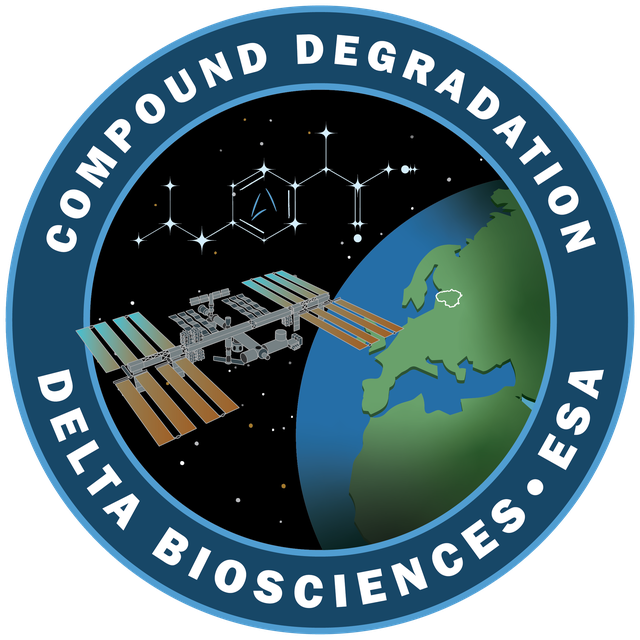
Our flagship mission · with ESA
Compound Degradation
134 medicines and molecules, up to 32 months on the ISS.
Launching 29 Nov 2026
From idea to flight in under two years, with 4 ESA teams and a dozen partners
Payload built and delivered to Kennedy Space Center for launch
Reusable flight hardware, ready to carry experiments for other teams
Case study · UK Space Agency
Astro-SANITAS, with LinkGevity
A Cambridge biotech's Anti-Necrotic, getting ready for orbit.
Preparing for flight
LinkGevity, a Cambridge biotech, has developed a first-in-class Anti-Necrotic. Funded by the UK Space Agency, we tested it under radiation, found no toxic by-products, and built the payload to fly it.
Ground preparationFlight
Almost completeNext
Tested at 1 and 10 Gy
Flight-ready containment payload
Flight safety data for 8 formulations
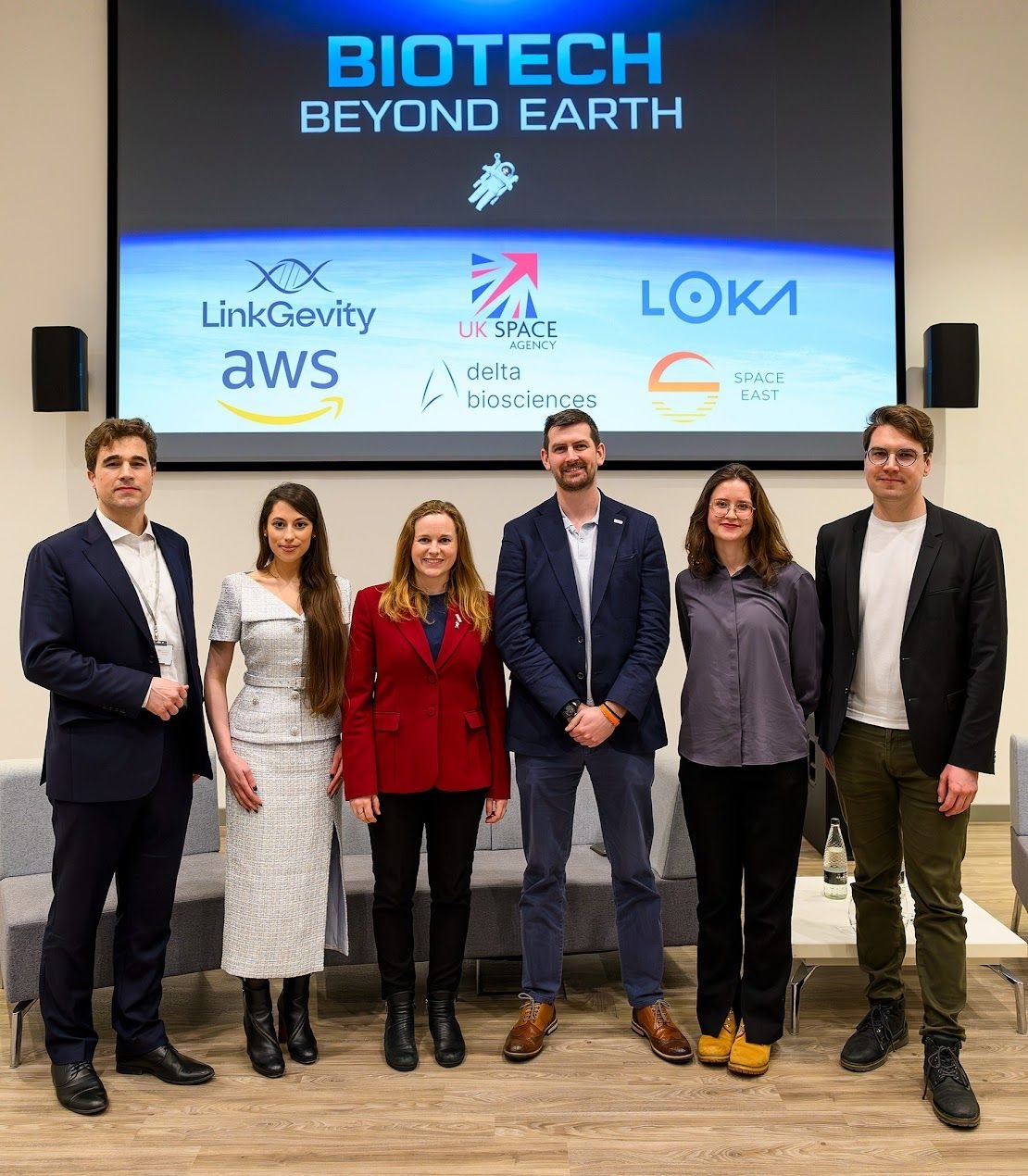
Photo: Biotech Beyond Earth, Babraham Research Campus, Cambridge, March 2026: LinkGevity (left), the UK Space Agency (centre) and Delta Biosciences (right).
Fly your experiment with us Two ways to fly
Shared flights or a mission built for you.
Rideshare missions
Fly your experiment in orbit
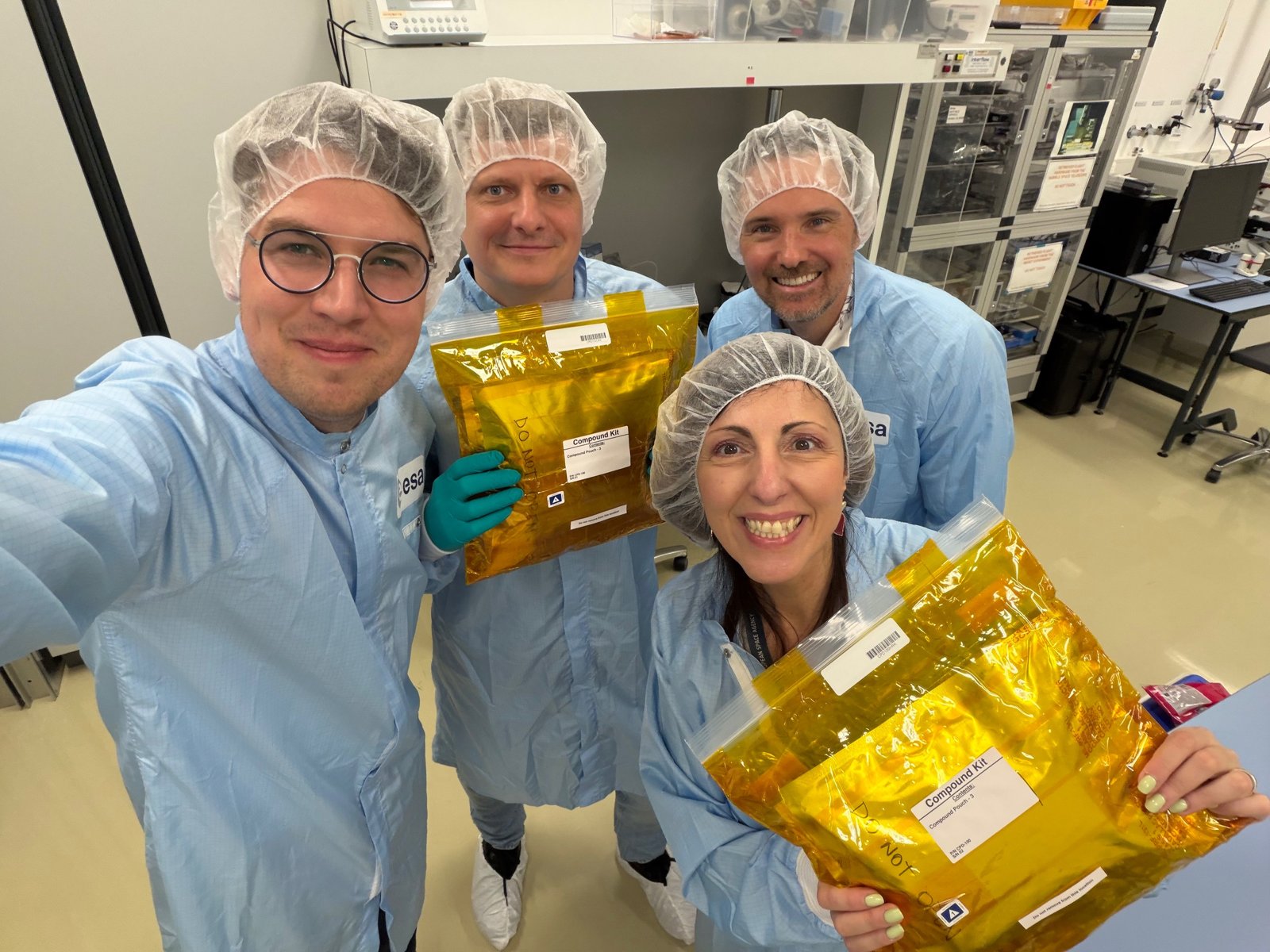
Rideshare missions give companies, universities and research teams a simple way to send compounds, formulations or biological samples to space. You bring the science. We take care of the rest.
- Processes developed with ESA for our own mission aboard the ISS.
- One kit fits several clients, which keeps the cost per payload low.
- In-house chemistry and biology teams for post-flight analysis.
Next missions: 2027Ask about rideshare →
- 01Experiment design. We help you define what to fly and what to measure.
- 02Payload preparation. Your samples go into our qualified, miniaturised mission kit.
- 03Flight and integration. We work with launch and station providers to secure a place on the flight.
- 04Return and analysis. Samples come back to Earth, and we deliver the results with matched ground controls.
Exploration missions
Science for long-duration spaceflight
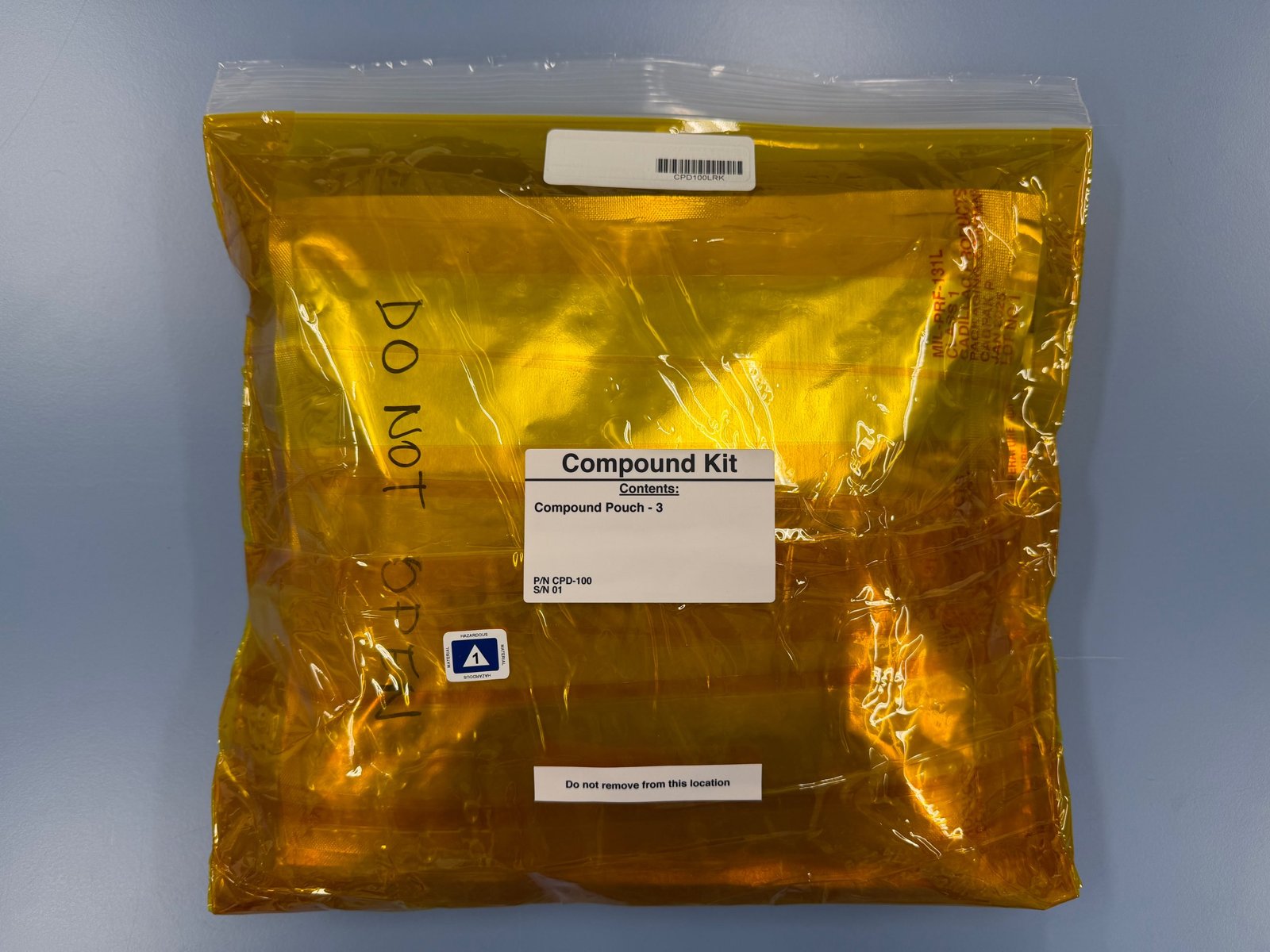
Exploration missions are designed from scratch around one question, like our flagship Compound Degradation mission with ESA, which launches to the ISS on 29 November 2026 to test how 134 medicines and molecules break down under chronic space radiation.
For agencies and industryAsk about a custom mission →
- Mission design. Science objectives, experiment architecture and controls.
- Payload engineering. Qualified hardware and procedures.
- Ground campaigns. Radiation testing that matches flight conditions.
- Data and models. Reference datasets and prediction models for medicines and missions not yet flown.